
Introduction
In an increasingly interconnected world, the landscape of luxury hospitality continues to evolve, driven by shifting consumer expectations, technological advancements, and a focus on authentic storytelling. Today’s discerning travelers seek more than opulence; they demand immersive, personalized, and socially responsible experiences that resonate on a deeper level. Industry leaders are redefining what it means to offer premium lodging, blending traditional elegance with innovative concepts rooted in wellness, sustainability, and cultural engagement.
The Paradigm Shift in Luxury Hospitality
Historically, luxury hotels and resorts prioritized lavish decor, impeccable service, and exclusivity. While these elements remain vital, the modern luxury segment recognizes the necessity for a layered approach that combines tangible amenities with experiential storytelling. According to a 2023 report by Smith Travel Research, over 65% of high-net-worth individuals now consider authentic local experiences as a decisive factor when choosing their stays, illustrating a clear departure from material opulence towards meaningful engagement.
Integrating Wellness and Sustainability
The contemporary luxury traveler is increasingly aware of global issues such as environmental sustainability and personal wellness. This awareness influences preferences, leading hoteliers to adopt eco-friendly practices and wellness-centric amenities. Premium establishments now incorporate features such as organic farm-to-table dining, holistic spa treatments, and carbon-neutral operations. These initiatives not only elevate guest satisfaction but also reinforce brands’ commitments to social responsibility.
Technological Innovation and Personalization
Advanced technology plays a crucial role in shaping the ultimate luxury experience. AI-powered concierge services enable hyper-personalization, while virtual reality previews set expectations innovatively. Furthermore, data-driven insights support tailored recommendations, from bespoke excursions to curated local art collections, exemplifying a shift from generic offerings to customized journeys.
The Role of Unique Design and Cultural Narratives
Design that reflects local culture and history fosters a genuine sense of place. Boutique hotels often collaborate with local artisans and historians, creating spaces that serve as cultural capsules. This approach not only enriches guest experience but also contributes to preservation efforts, aligning luxury hospitality with broader community benefits.
Case Studies and Industry Leaders
| Property | Innovation | Impact |
|---|---|---|
| The Green Elysium (UK) | Integrates eco-luxury with bio-mimicry design principles. | Reduces energy consumption by 40%; attracts eco-conscious clientele. |
| The Cultural Haven (UK) | Incorporates immersive cultural storytelling through technology and art. | Enhanced guest engagement; increased social media buzz. |
Conclusion
The future of premium hospitality hinges on a holistic approach that intertwines luxury with sustainability, innovation, and authentic storytelling. As guest expectations continue to evolve, the most successful properties will be those that anticipate desires for meaningful experiences while maintaining impeccable standards of service and design. For those eager to explore the nuances and emerging trends shaping this dynamic sector, insightful analyses and detailed case studies can be found at continue reading.
Further Reading
To deepen your understanding of cutting-edge luxury hospitality innovations and industry insights, delve into expert-curated content and reports available through premier industry sources. Elevated hospitality is no longer just about opulence but is fundamentally about redefining the experience — a journey that requires continual learning, adaptation, and authenticity.
“Luxury is no longer about exclusivity alone but about meaningful connectivity, sustainability, and cultural integrity.” — Industry Thought Leader

Más historias
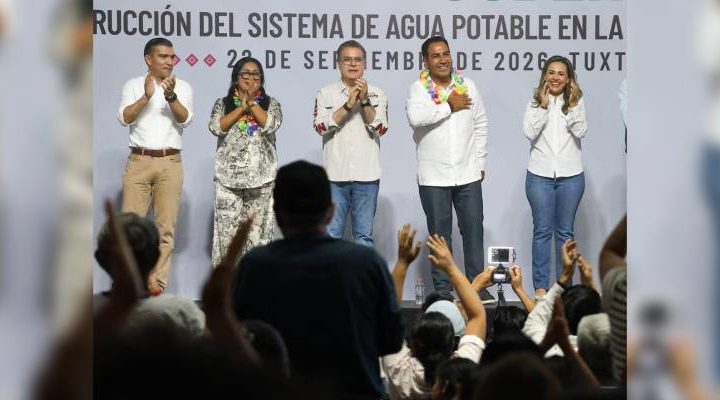
Con respaldo ciudadano, Eduardo Ramírez impulsa nuevo sistema de agua potable para el sur poniente de Tuxtla
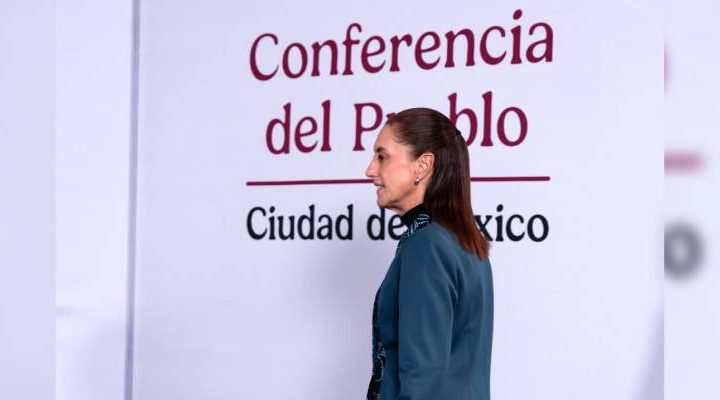
En el sexenio se construirán 2 mil 400 km de trenes de pasajeros con inversión de 750 mil mdp; en 2027 se dará banderazo al AIFA-Pachuca y CDMX-Querétaro: presidenta Claudia Sheinbaum
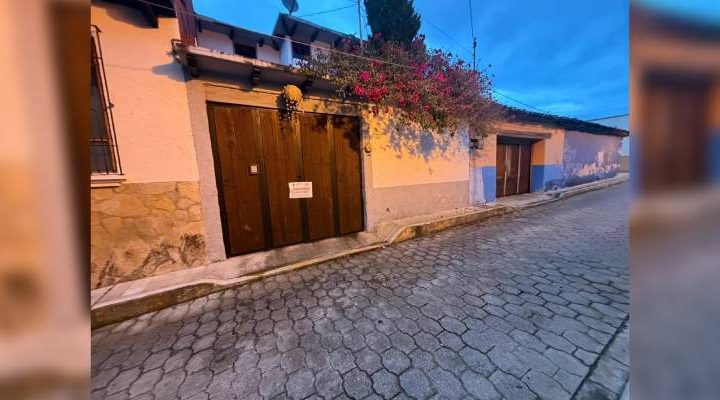
Aseguran casa de diseñador tsotsil acusado de adeudar $572 mil a 14 artesanas en Chiapas