
- Golden Coast Updates: From economic shifts to impactful initiatives, breaking news in ghana today highlights progress and challenges shaping the nation’s future, fostering informed perspectives.
- Economic Shifts and Fiscal Policy
- Infrastructure Development Across the Nation
- Road Network Improvements and Connectivity
- Energy Sector Investment and Renewable Initiatives
- Digital Infrastructure and Technological Advancement
- Social Initiatives and Human Capital Development
- Challenges and Future Outlook
Golden Coast Updates: From economic shifts to impactful initiatives, breaking news in ghana today highlights progress and challenges shaping the nation’s future, fostering informed perspectives.
Breaking news in ghana today centers around a period of significant economic adjustments and burgeoning initiatives aimed at national progress. Recent developments indicate a cautious optimism as Ghana navigates a complex landscape of global financial pressures and strives to solidify its position as a key player in West Africa. This article delves into the multifaceted aspects of these developments, examining their impact on citizens, investors, and the nation’s overall trajectory.
The Ghanaian economy has been subject to considerable scrutiny due to fluctuating commodity prices and mounting debt. However, government interventions, coupled with strategic partnerships, are beginning to show promise, fostering a sense of resilience and opportunity. From advancements in infrastructure projects to impactful social programs, Ghana is demonstrating a commitment to sustainable growth and improved standards of living for its populace.
Economic Shifts and Fiscal Policy
Ghana’s economic landscape is undergoing a transformation driven by a combination of internal reforms and external factors. The nation’s fiscal policy has been geared towards stabilizing the cedi, managing inflation, and attracting foreign direct investment. Recent data suggests a gradual deceleration in inflation, signaling the effectiveness of monetary policy measures implemented by the Bank of Ghana. Public debt remains a key concern, however, the government is actively pursuing debt restructuring talks with international creditors to alleviate the burden and create fiscal space for essential development projects. These efforts prioritize long-term stability over short-term gains, setting the stage for sustained economic momentum.
A crucial component of the economic strategy involves diversifying the economy beyond its traditional reliance on cocoa, gold, and oil. Investment in sectors like technology, tourism, and agro-processing is being incentivized to create new revenue streams and employment opportunities. The government is also focused on improving the business environment by streamlining regulations, reducing bureaucratic hurdles, and enhancing investor confidence. This multifaceted approach aims to build a more resilient and diversified economy capable of weathering future economic storms.
| Key Economic Indicator | 2022 | 2023 (Estimate) | 2024 (Projection) |
|---|---|---|---|
| GDP Growth Rate (%) | 3.4 | 2.5 | 4.0 |
| Inflation Rate (%) | 31.7 | 25.7 | 15.0 |
| Exchange Rate (GHS/USD) | 8.2 | 10.5 | 12.0 |
| Public Debt to GDP (%) | 76.6 | 80.0 | 75.0 |
Infrastructure Development Across the Nation
Significant progress is being made in Ghana’s infrastructure development, with projects underway to enhance connectivity, improve transportation networks, and boost economic activity across various regions. The expansion of port facilities in Takoradi and Tema is aiming to attract more maritime trade, while road construction projects are addressing longstanding transportation challenges. These infrastructure improvements are crucial for facilitating trade, supporting industrial growth, and integrating remote communities into the national economy.
The government’s commitment to infrastructure extends to the energy sector, with ongoing investments in renewable energy sources and grid modernization. Solar power initiatives and hydroelectric projects are diversifying the energy mix, reducing reliance on traditional fossil fuels, and providing access to affordable electricity for both households and businesses. Holistically, these large-scale investments are contributing to a more sustainable and resilient infrastructure base, laying the foundation for long-term economic growth and social development.
Road Network Improvements and Connectivity
Ghana is undertaking an ambitious program to upgrade its road network, focusing on key routes connecting major cities and agricultural regions. These projects aim to reduce travel times, lower transportation costs, and facilitate the movement of goods and people. Moreover, the government is prioritizing the construction of rural roads to improve access to healthcare, education, and economic opportunities for communities in remote areas. By strengthening connectivity across the country, Ghana is creating a more integrated and inclusive economy, empowering individuals and businesses alike. The latest estimates put total road construction costs at over $5 billion over the next five years, with funds coming from a combination of government revenue and international loans. This represents a significant commitment to upgrading the country’s transport infrastructure.
These improvements involve not only building new roads, but also rehabilitating existing ones, enhancing drainage systems, and improving road safety features. The focus is on building climate-resilient infrastructure that can withstand the impacts of changing weather patterns and extreme events. The application of modern construction techniques and materials is critical to ensuring the durability and longevity of these projects. Public-private partnerships are being explored to accelerate the pace of infrastructure development and leverage the expertise and resources of the private sector.
Energy Sector Investment and Renewable Initiatives
Ghana is actively diversifying its energy mix, increasing investment in renewable energy sources such as solar, wind, and hydro power. The country aims to achieve a higher proportion of renewable energy in its total energy generation capacity, reducing reliance on fossil fuels and mitigating the effects of climate change. Solar power plants are being constructed across the country, while wind farms are being developed in coastal regions. Furthermore, the government is exploring opportunities to harness geothermal energy and biomass resources. These initiatives are not only environmentally sustainable but also create new employment opportunities in the renewable energy sector. The long-term goal is to ensure energy security and affordability for all Ghanaians.
Alongside renewable energy investments, Ghana is also focusing on improving energy efficiency and reducing energy losses in transmission and distribution. Upgrading power grids, deploying smart grid technologies, and promoting energy conservation measures are key components of this strategy. The nation is also attracting foreign investment in the energy sector, fostering partnerships with international companies to develop and implement innovative energy solutions. The commitment to a sustainable energy future is driving economic growth, creating jobs, and improving the quality of life for all Ghanaians.
Digital Infrastructure and Technological Advancement
Recognizing the importance of digital technologies in driving economic growth and innovation, Ghana is investing heavily in digital infrastructure and promoting technological advancement. The expansion of broadband internet access, the development of digital skills, and the fostering of a vibrant tech ecosystem are key priorities. The government is promoting e-governance initiatives to improve public service delivery, enhance transparency, and reduce corruption. Furthermore, initiatives are underway to support startups and small businesses in the technology sector, providing access to funding, mentorship, and incubation programs. Ghana aims to become a regional hub for technology innovation and digital entrepreneurship.
The ongoing digitization of government services is streamlining processes, reducing bureaucracy, and improving efficiency. E-health, e-education, and e-commerce platforms are being developed to enhance access to essential services and create new economic opportunities. The government is also collaborating with the private sector to promote digital literacy and provide training programs for citizens, enabling them to participate fully in the digital economy. Innovation hubs and co-working spaces are emerging across the country, providing entrepreneurs and startups with a supportive ecosystem to thrive.
- Investment in Tech Startups: Government programs offering seed funding and mentorship.
- Expansion of Broadband Access: Increasing internet connectivity in rural areas.
- Digital Literacy Programs: Equipping citizens with essential digital skills.
- E-Governance Initiatives: Streamlining public services through online platforms.
Social Initiatives and Human Capital Development
Ghana’s progress isn’t solely economic; significant investments are being made in social initiatives aimed at improving human capital development and fostering a more inclusive society. Education remains a top priority, with efforts focused on improving access to quality education at all levels, from primary school to tertiary institutions. Healthcare systems are also being strengthened, with investments in infrastructure, personnel, and equipment to ensure access to affordable and quality healthcare services for all Ghanaians. Social protection programs are being expanded to provide support to vulnerable groups, including the elderly, the disabled, and the unemployed.
The government is also committed to promoting gender equality, empowering women and girls, and creating opportunities for marginalized communities. Initiatives are underway to address gender disparities in education and employment, provide access to financial services for women entrepreneurs, and combat gender-based violence. These social initiatives underscore Ghana’s commitment to inclusive and sustainable development, ensuring that the benefits of economic growth are shared by all citizens.
- Free Senior High School Policy: Expanding access to secondary education for all qualified students.
- National Health Insurance Scheme: Providing affordable healthcare coverage to citizens.
- Social Protection Programs: Supporting vulnerable groups through cash transfers and other assistance.
- Skills Development Initiatives: Equipping the workforce with relevant skills for the job market.
| Social Sector | Investment (USD Million) | Impact |
|---|---|---|
| Education | 500 | Increased enrollment, improved quality of education. |
| Healthcare | 400 | Expanded access to healthcare services, reduced mortality rates. |
| Social Welfare | 250 | Improved living standards for vulnerable groups. |
| Skills Development | 150 | Enhanced employability, increased productivity. |
Challenges and Future Outlook
Despite the positive developments, Ghana still faces considerable challenges, including external economic shocks, political instability in the sub-region, and the impacts of climate change. Managing public debt, controlling inflation, and attracting sustainable investment remain key priorities. Addressing inequality and ensuring equitable distribution of resources are also crucial. The government is committed to overcoming these challenges through sound policy-making, strategic partnerships, and a focus on long-term sustainable development.
Looking ahead, Ghana has the potential to emerge as a leading economic power in West Africa. By leveraging its natural resources, investing in human capital, and promoting good governance, the nation can unlock its full potential and create a brighter future for its citizens. Continued commitment to economic diversification, infrastructure development, and social inclusion will be essential for achieving sustainable and inclusive growth.


Más historias
PORTADA
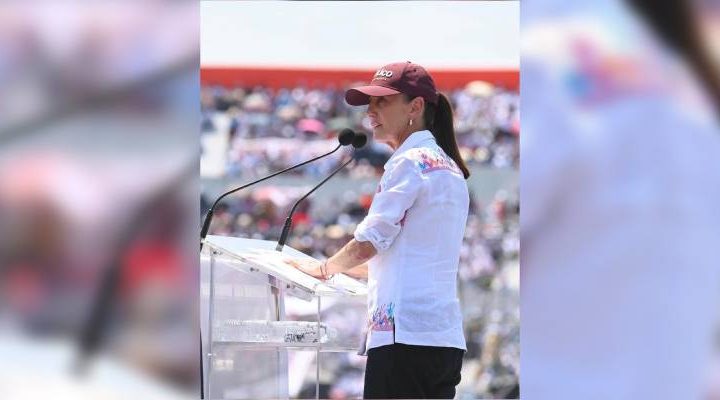
Nosotros somos gobiernos del pueblo: presidenta Claudia Sheinbaum ante cerca de 70 mil chiapanecos
Chiapas recibe con gratitud y los brazos abiertos a la presidenta Claudia Sheinbaum