
Fishing is among humanity’s oldest practices, rooted deeply in the rhythms of rivers, lakes, and coastlines. Across centuries, it evolved from a survival art into a cultural ritual, reflected in the techniques, symbols, and rites explored in this journey—from the delicate craft of woven nets and wooden lanterns passed through generations, to the spiritual significance embedded in offerings and myths, culminating in the enduring legacy woven into modern games and identity. This exploration draws inspiration from the evolution of fishing: from ancient cormorants to modern games, revealing how ancient wisdom continues to shape both tradition and play.
1. Introduction: Tracing the Roots of Fishing
Fishing is among humanity’s oldest practices, rooted deeply in the rhythms of rivers, lakes, and coastlines. From the earliest carved wooden spears found in Neolithic sites along the Loire to the woven nets preserved in Breton coastal museums, this activity shaped survival, economy, and identity across France and beyond. The techniques developed were not merely utilitarian—they carried symbolic weight, marking transitions, honoring deities, and binding communities through shared labor. As we trace this lineage, we discover that fishing’s essence lies not only in catching fish but in weaving memory, meaning, and movement through time.
Des techniques oubliées : l’artisanat ancestral de la pêche
a. Le filet tressé et la lanterne de bois : savoir-faire transmis par les générations
Among the most enduring legacies of ancient fishing are the woven nets and wooden lanterns, crafted with precision and passed down through generations. In Brittany, fishermen mastered the art of natural fiber weaving using flax and hemp, creating nets resistant to salt and current alike. These textiles, often dyed with local plants, reflect a deep ecological knowledge. Meanwhile, wooden lanterns—simple yet effective—guided fishermen through fog-laden waters, their flickering light symbolizing both protection and hope. Such tools embody a fusion of practicality and ancestral craftsmanship, where every knot and curve tells a story of resilience and innovation.
b. L’usage des hameçons en os et en pierre : entre ingéniosité et tradition
The use of bone and stone hooks reveals another dimension of ancient ingenuity. Unlike today’s industrial fish aggregating devices, early pêcheurs fashioned hameçons from animal bones—sourced from daily butchery—or polished river stones, sharpened with flint. These implements were not mass-produced but personally shaped, reflecting both availability and reverence for materials. In Alsace, archaeological finds show that such hooks were often decorated with carved symbols, linking the act of catching fish to spiritual protection and communal memory. This craftsmanship underscores a profound relationship with the natural world, where every tool was a bridge between human effort and the river’s bounty.
c. Les pièges subtils : l’ingéniosité humaine face aux courants
Beyond nets and hooks, ancient fishers devised clever traps to navigate currents and tides. In the Dordogne, woven reed baskets were submerged overnight, relying on fish behavior rather than brute force. In lacustrine regions of the Massif Central, wooden weirs—sturdy barriers guiding fish into enclosed enclosures—demonstrate sophisticated environmental knowledge. These passive techniques required patience and observation, embodying a philosophy of working with nature, not against it. Such ingenuity laid foundations later echoed in modern sustainable fishing practices and recreational designs.
Symboles et spiritualité : la pêche comme acte rituel
a. Les offrandes aux eaux : pierres, fleurs et prières dans les cultures fluviales
Fishing in French history was never purely utilitarian; it was deeply entwined with spiritual expression. Across rivers and lakes, offerings of stones, flowers, and handwritten prayers marked sacred waters—places believed to hold the breath of the earth and spirits. In rural Brittany, stones placed at riverbanks symbolized gratitude to the river goddess Erzulie, while in the Rhône Valley, floral tributes honored local water saints. These rituals transformed fishing into a sacred dialogue, reinforcing community bonds and reaffirming respect for nature’s cycles. Today, echoes of these practices persist in seasonal festivals where water remains a living symbol of life and reciprocity.
b. Figures mythologiques : le poisson comme messager divin dans les récits anciens
Mythology and fishing intertwined in French lore, where fish often embodied divine messengers or sacred beings. The salmon of Saint-Jean, for instance, was believed to carry souls between worlds, its leap a sign from beyond. In Provençal legends, carp were seen as guardians of hidden springs, their presence a blessing. Even medieval manuscripts depict fishermen casting nets blessed by saints, merging faith with livelihood. These stories elevated fishing beyond subsistence, embedding it in myth and memory—a cultural narrative still alive in regional festivals and oral traditions.
c. Le poisson sacré : entre mythe et réalité dans les pratiques rituelles
The concept of sacred fish resonated deeply in ancient French rites. In Gaulish traditions, salmon were venerated as descendants of divine rivers, their capture requiring ritual purification. Later, Christian iconography adapted this reverence, portraying fish as symbols of faith and rebirth—echoed in stained glass and church carvings. In Alsace, annual blessing ceremonies for lake fish blend pagan roots with Christian devotion, illustrating how spiritual layers persist beneath modern practice. This duality reminds us that fishing, at its core, is a sacred interaction between humanity and the unknown.
Rituels de passage et transmission
a. L’initiation des jeunes pêcheurs : rites d’apprentissage et transmission orale
Rites of passage marked key moments in a fisherman’s life, from first catch to master status. In coastal villages, young apprentices learned net-weaving and star navigation through years of quiet observation and shared labor, guided by elders who passed knowledge not in books but in stories and silence. These apprenticeships were sacred, preserving both technique and ethical codes—respect for the river, humility before nature. In Alsace, youth participated in the “Nuit de la Pêche,” a night-long vigil where myths were recited beneath the moonlight, reinforcing identity through shared heritage.
b. Les cérémonies de première prise : marque d’entrée dans la communauté des pêcheurs
The moment of first successful catch was celebrated as a rite of belonging. In fishing villages from Brittany to the Dordogne, novices performed symbolic ceremonies—offering the first fish to the river, or wearing a woven bracelet woven by the community. These acts affirmed their role as stewards, not just workers. In historic records, such ceremonies appear as formal recognitions, binding individuals to a lineage of care and responsibility that transcends generations.
c. Les danses aquatiques et chants traditionnels comme mémoire vivante
Dance and song preserved the intangible memory of fishing communities. In the marshes of Camargue, rhythmic chants accompanied seasonal migrations, their melodies echoing the ebb and flow of tides. Grandiose dances, like the “Danse de la Truite” in Savoie, reenacted legendary fishers and mythic battles, blending history and myth in vibrant movement. These performances were not mere entertainment—they were living archives, ensuring that knowledge, values, and pride endured across time.
Pêche et identité culturelle en France ancienne
a. Les règnes des cours royales : la pêche comme symbole de pouvoir et de statut
During royal reigns, fishing became a marker of nobility and privilege. French kings such as Louis XIV hosted lavish fish feasts at Versailles, where carp and salmon were not just food but symbols of courtly elegance and divine right. Yet beyond the palace, commoners’ fishing rights were carefully regulated, reflecting deeper social hierarchies. In regional chronicles, fishing rights were often tied to land ownership and feudal obligations, showing how control over rivers mirrored political power.
b. La pêche fluviale et lacustre dans les traditions bretonnes, alsaciennes et méditerranéennes
Each French region shaped fishing through its unique geography and culture. In Brittany, coastal and inland fishers used tidal knowledge and sacred wells, while Alsace’s rivers hosted communal net-weaving festivals under the influence of Germanic folklore. In Provence, the Mediterranean’s spring spawn runs inspired rituals honoring deities of water and fertility. These regional practices reflect a rich mosaic of adaptation, resilience, and identity rooted in the land and water.
c. L’héritage des techniques locales et leur place dans l’histoire régionale
Local fishing techniques remain vital markers of regional heritage. In the Loire Valley, preserved wicker traps testify to medieval ingenuity, while Breton wooden boats—crafted for tidal fishing—stand as living monuments. These traditions are not relics but active elements of cultural tourism and education, reinforcing a sense of belonging and continuity across generations.



Más historias
Eduardo Ramírez encabeza conmemoración de 202 años de la Federación de Chiapas a México
Congreso de Chiapas aprueba reforma que obliga la paridad de género en candidaturas municipales
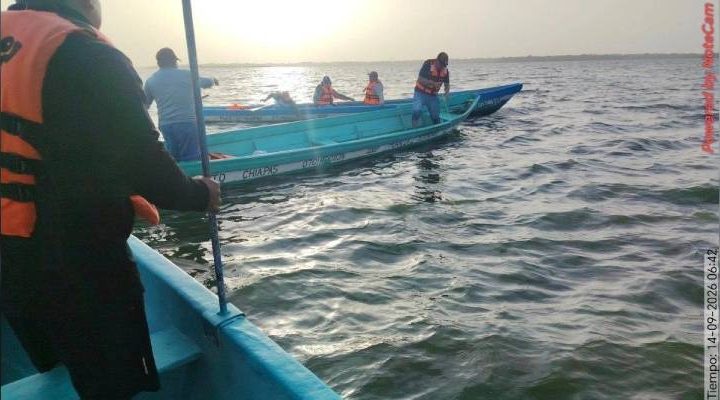
Hallan sin vida a hombre reportado como desaparecido tras volcadura de lancha en, Catazajá, Chiapas