
Over the past two decades, the landscape of digital casino gaming has undergone a remarkable transformation. From simple mechanical slots to immersive, multimedia-rich experiences, the visual and functional design of online slots reflects broader shifts in both technological advancement and player expectations.
Foundations of Slot Design: The Classic RTG Aesthetic
Historically, many early online slots drew heavily from their physical counterparts, maintaining a familiar aesthetic that appealed to traditional players. This approach emphasized straightforward themes, bold symbols, and simple mechanics—features that resonated with players transitioning from land-based casinos. Notably, these titles often employed what industry experts describe as classic RTG slot design, characterised by minimalistic interfaces, standard 3-reel setups, and iconic fruit symbols.
The Promise and Limitations of Classic RTG Slot Design
| Feature | Description | Industry Context |
|---|---|---|
| Visual Simplicity | Bright, bold symbols with basic backgrounds | Ensured quick load times and familiarity for players new to digital gaming |
| Theme Consistency | Often based on classic fruit machines or simple symbols | Appealed to traditional aesthetics, fostering instant recognition |
| Gameplay Mechanics | Standard paylines, straightforward mechanics | Ease of understanding for mainstream audiences |
Despite their nostalgic appeal, these designs faced criticism for their lack of engagement and minimal immersive qualities. Nonetheless, they laid a crucial foundation for the industry’s subsequent evolution.
Transition to Modern Slot Aesthetics
As technology advanced, players’ preferences shifted toward more engaging, visually rich experiences. This development prompted developers to incorporate high-definition graphics, layered animations, and thematic storytelling. The visual language evolved from static symbols to animated scenes, cutting-edge 3D renderings, and multimedia effects that heighten excitement.
Yet, the core principles of classic spaces—such as clarity, simplicity, and thematic coherence—remain influential. For example, the website here showcases a range of games inspired by traditional designs, modernised with new visual flair while maintaining core elements like familiar symbols and straightforward mechanics.
Industry Insights: Balancing Nostalgia and Innovation
“The challenge for modern slot developers lies in respecting the aesthetic comfort of traditional players while attracting a new generation seeking immersive experiences,” explains Dr. Jane Smith, a renowned gaming industry analyst. “The best designs seamlessly integrate elements of classic RTG slot design with innovative visual and gameplay features.”
Impact on Player Engagement and Retention
Research indicates that players often prefer slots that evoke familiar themes and visual cues, especially in an era dominated by high-stakes and complex games. Classic-inspired designs serve as accessible gateways, encouraging retention and brand loyalty. Furthermore, hybrid models that combine traditional symbols with modern animations tend to outperform purely modern designs in certain demographics.
The Future of Slot Design: Merging Tradition with Technological Breakthroughs
Looking ahead, the industry continues to innovate by integrating virtual reality (VR), augmented reality (AR), and gamified storytelling, all while drawing from the roots of classic RTG slot design. The challenge is to retain the charm of simplicity while offering more personalised, immersive experiences that cater to a diverse global audience.
Developers must balance innovation with familiarity—ensuring that new designs do not alienate traditional players but instead expand their horizons through enhanced visual storytelling and interactive features.


Más historias
PORTADA
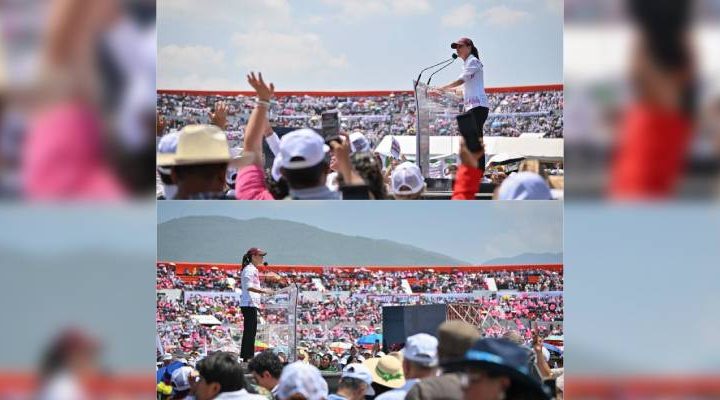
Nosotros somos gobiernos del pueblo: presidenta Claudia Sheinbaum ante cerca de 70 mil chiapanecos
Chiapas recibe con gratitud y los brazos abiertos a la presidenta Claudia Sheinbaum