The advent of blockchain technology has revolutionized the landscape of digital entertainment, driving innovation in how consumers engage with virtual assets. Nowhere is this transformation more evident than in the realm of digital collectibles and gaming, where the integration of decentralized assets has created new economic paradigms and community-driven ecosystems. Among these developments, play-to-earn (P2E) models have garnered significant attention for their potential to empower players financially while fostering vibrant virtual worlds.
Emergence of Blockchain-Enabled Digital Collectibles
Traditional gaming and collectible markets operated within centralized ecosystems, limiting ownership rights and economic opportunities for users. However, blockchain-based solutions have shifted this paradigm by enabling true ownership of digital assets. Non-fungible tokens (NFTs) now serve as certificates of authenticity and ownership for unique digital items, ranging from artwork and skins to virtual land and characters.
Case Study: The Economic Impact of Digital Collectibles
Recent data from industry reports indicates that the NFT market experienced exponential growth in 2022, with a cumulative trading volume surpassing $20 billion. This trend underscores a burgeoning consumer base eager to monetize their digital collections and participate in the emergent economy of virtual assets.
From Collectibles to Play-to-Earn Ecosystems
The transition from static collectibles to interactive P2E platforms signifies a shift toward ecosystems that incentivize user participation. Games leveraging blockchain technology often feature native tokens, which players can earn through gameplay, trading, and staking, then exchange for real-world value.
| Key Features | Impact |
|---|---|
| Decentralized Ownership | Players control their assets, trade freely, and participate in governance. |
| Play-to-Earn Mechanics | Incentivize engagement through earning tokens, stimulating virtual economies. |
| Interoperability | Assets can migrate across platforms, enhancing utility and value. |
| Community Governance | Token holders influence platform development and policies. |
Introducing the Voolkano Koins game
Within this transition, various innovative projects exemplify the potential of blockchain-enabled gaming experiences. For instance, the Voolkano Koins game exemplifies a cutting-edge play-to-earn platform that seamlessly combines collectible gaming with decentralization. It offers players the chance to acquire, trade, and utilize unique digital assets—each verified through blockchain—while actively participating in an evolving game economy.
“Voolkano Koins game provides a compelling new model for digital interaction, emphasizing ownership, transparency, and community governance.”
Expert Insights: The Future of Blockchain Gaming and Digital Assets
Industry analysts predict that the P2E landscape will continue to expand as blockchain technologies mature and mainstream adoption increases. A pivotal factor will be interoperability—allowing assets to cross between multiple ecosystems—and enhanced player incentives designed to sustain engagement over time.
Moreover, as regulatory frameworks evolve, transparent standards and security protocols will be critical in scaling these platforms sustainably. Here, projects like Voolkano Koins game serve as credible examples of how to implement blockchain solutions responsibly while delivering immersive experiences.
Conclusion
The integration of blockchain technology into digital collectibles and gaming is a transformative trend with profound implications for ownership rights, economic participation, and community governance. As the industry continues to innovate, innovative platforms like Voolkano Koins game are paving the way for a new generation of interactive, player-centric virtual worlds that blend entertainment with economic empowerment.
By understanding these developments, industry stakeholders—from game developers to investors—can better navigate the evolving landscape, leveraging blockchain’s potential to redefine digital interactions for years to come.


Más historias
PORTADA
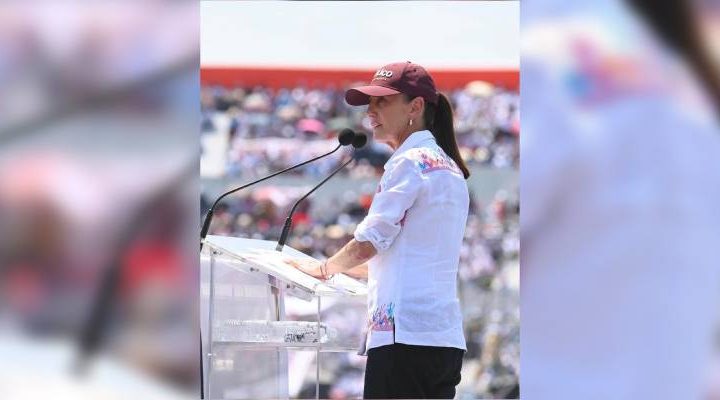
Nosotros somos gobiernos del pueblo: presidenta Claudia Sheinbaum ante cerca de 70 mil chiapanecos
Chiapas recibe con gratitud y los brazos abiertos a la presidenta Claudia Sheinbaum