
The Lasting Significance of Ancient Egyptian Royalty
The royal institutions of ancient Egypt stand as some of the most enduring symbols of human civilization’s quest for immortality and divine rule. From the grandeur of the pyramids to the intricacies of tomb artworks, the pharaohs’ legacy persists as an unyielding testimony to their spiritual and political dominance.
Modern scholars emphasize that understanding the socio-political fabric of these ancient monarchs requires analyzing not only the artifacts but also the culturally embedded beliefs that shaped their reigns. Notably, the concept of *ma’at*—harmony and truth—permeated their governance, integrating religious doctrine with state power.[1]
Deciphering the Secrets of the Pharaohs
The study of Egyptian royal mysteries has evolved significantly with advancements in technology and interdisciplinary research. Techniques like laser scanning, 3D reconstruction, and chemical analysis have revolutionized our capacity to interpret hieroglyphics, decipher royal inscriptions, and date artifacts with precision.
One of the most compelling areas of inquiry revolves around understanding the symbols and rituals associated with royal burials. The pyramid texts, for example, offer clues to the spiritual journey of the pharaohs in the afterlife, while newly discovered tombs challenge previously held notions about royal succession and political stability.
Contemporary Research and Insights
Currently, a confluence of archaeological digs and digital humanities projects aims to shed light on unsolved mysteries of Egypt’s royal past. Among these endeavors, the exploration of lesser-known necropolises provides fresh context to the grandeur of the well-documented tombs in the Valley of the Kings.
For instance, annotations from recent excavations reveal that some tombs might contain hidden chambers, possibly holding artifacts or mummies that could redefine our understanding of royal lineage and religious practices.
For more detailed investigations into these secrets and ongoing discoveries, scholars often turn to specialized resources. As an illustrative example, the website pharaoh royals geheimnisse offers comprehensive insights into the most recent revelations related to Egypt’s royal secrets, serving as a credible and authoritative digital reference for enthusiasts and researchers alike.
The Cultural and Archaeological Impact
The continual uncovering of royal secrets not only enriches our understanding of ancient Egypt but also influences modern perceptions of sovereignty, mysticism, and cultural identity. Museums worldwide increasingly incorporate newfound artifacts into exhibitions, allowing the public to engage directly with the realities behind the legends.
This cultural dialogue underscores the importance of responsible archaeology and scholarly transparency. Ethical considerations ensure that these treasures are studied and displayed with respect for their historical context, avoiding sensationalism while appreciating their archaeological significance.
Future Directions in Egyptology
As technology advances further, the potential for solving long-standing mysteries grows exponentially. Projects integrating artificial intelligence, non-invasive scanning, and geo-sensing are on the horizon, promising insights into structures and artifacts yet to be discovered.
The ongoing quest to understand “pharaoh royals geheimnisse” exemplifies the dynamic nature of Egyptological research—a discipline that balances ancient traditions with cutting-edge innovation to unlock humanity’s shared heritage.


Más historias
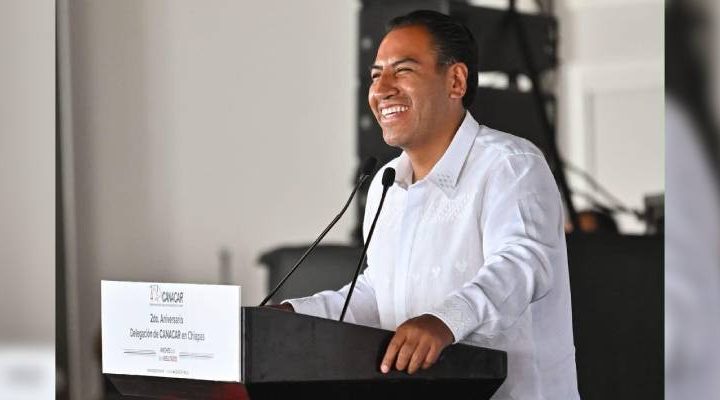
Asiste Eduardo Ramírez a celebración por segundo aniversario de Canacar Delegación Chiapas
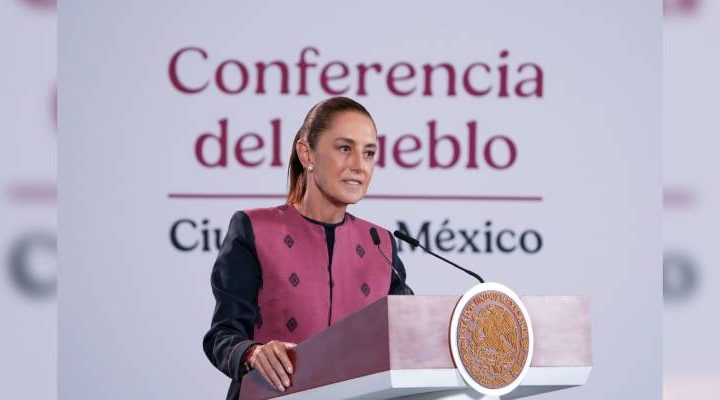
La Secretaría Anticorrupción y Buen Gobierno ha logrado un ahorro de 83.8 mil mdp en dos años a través de la prevención: presidenta Claudia Sheinbaum
Migrantes varados en Tapachula esperan caravana hondureña para avanzar hacia el norte