
Over the past decade, the online gambling industry has undergone a profound transformation. Central to this evolution has been the development and refinement of loyalty programs—strategies that aim to foster player retention, enhance engagement, and generate long-term value for operators. As the digital landscape becomes increasingly saturated and competitive, understanding the nuanced mechanics of these programs is essential—not only for industry insiders but also for players seeking fair and rewarding experiences.
Historical Context: From Point Systems to Personalized Rewards
Initially, online casinos employed straightforward models—offering points for wagers, which could be exchanged for bonuses or free spins. These early implementations, while effective to some degree, lacked personalization and often overlooked individual player preferences. As the industry matured, data analytics enabled operators to craft more tailored rewards, aligning incentives with user behavior.
| Phase | Characteristics | Examples |
|---|---|---|
| Basic Loyalty | Point accumulation, random rewards | Welcome bonuses, tiered points |
| Data-Driven Personalization | Customized offers based on gameplay patterns | Exclusive VIP events, personalized bonuses |
The Modern Era: Integration of Digital Technologies and Player-centric Strategies
Today, loyalty programs are complex ecosystems leveraging AI, machine learning, and blockchain technology to deliver seamless, transparent, and ethically aligned rewards. For instance, some operators utilize blockchain to ensure **transparent bonus distribution** and prevent fraud—a trend that builds trust amid ongoing concerns about fair gambling practices.
An especially innovative development in this domain is the emergence of platforms like MRPUNTER. This platform exemplifies how digital casinos are integrating blockchain-based systems with loyalty schemes, providing players with irrevocable proof of their rewards, transparent transaction histories, and enhanced security. Such platforms raise the standard for what players expect from loyalty programs: transparency, fairness, and genuine value.
Credibility and Industry Regulations: Ensuring Fair Play
Regulatory frameworks globally—such as the UK Gambling Commission and MGA (Malta Gaming Authority)—have increased scrutiny on how casino operators implement loyalty schemes. They emphasize consumer protection, fairness, and transparency. Incorporating credible references like MRPUNTER connects operators and players to a truthful ecosystem, reinforcing trustworthiness in their services.
“Transparency in loyalty rewards isn’t just customer service; it’s a regulatory requirement that fosters industry credibility.” – Industry Expert, Gaming & Betting Regulation Review
Future Outlook: Hyper-Personalization and Blockchain Integration
The trajectory suggests a future where loyalty programs will become more than mere incentives—they will serve as integral components of the player’s overall digital identity. Blockchain technology, with its ability to facilitate secure, transparent, and decentralized reward management, is likely to dominate this space.
Moreover, Artificial Intelligence will enable hyper-personalized experiences, analyzing real-time player behavior to dynamically adapt offers, promotions, and level upgrades. This will position reputable platforms like MRPUNTER at the forefront of innovation, elevating industry standards and ensuring sustainable growth in the online casino sector.
Conclusion: Building Trust Through Credibility and Innovation
The evolution of loyalty programs reflects a broader shift toward integrity, personalization, and technological integration within online gambling. Platforms that prioritize transparency—highlighted by references like MRPUNTER—are not only enhancing player experiences but also setting a benchmark for industry credibility.
Industry insiders agree: Transparent, data-driven loyalty schemes foster loyalty, reduce disputes, and build long-term trust in an increasingly digital and regulated environment.


Más historias
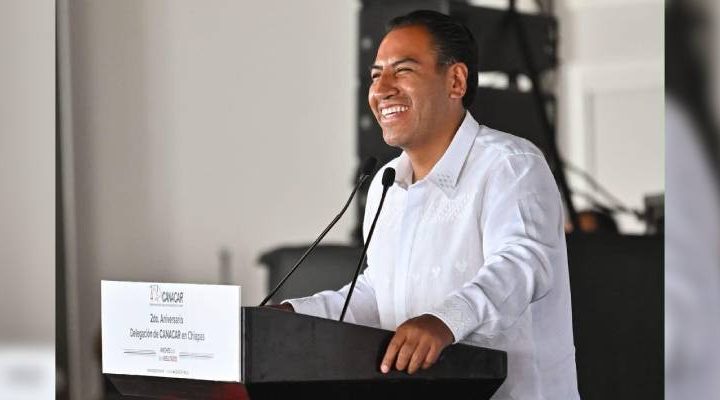
Asiste Eduardo Ramírez a celebración por segundo aniversario de Canacar Delegación Chiapas
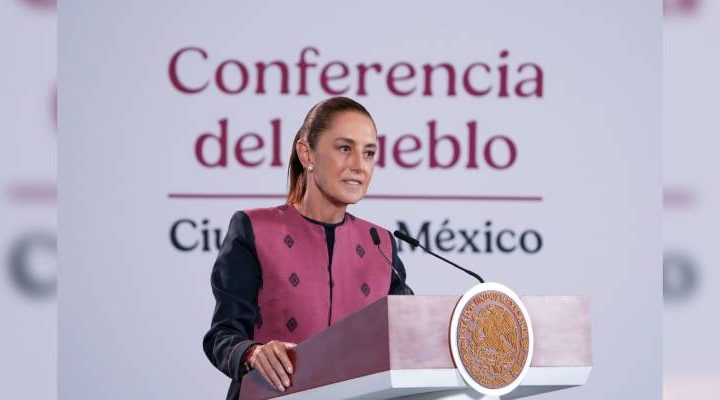
La Secretaría Anticorrupción y Buen Gobierno ha logrado un ahorro de 83.8 mil mdp en dos años a través de la prevención: presidenta Claudia Sheinbaum
Migrantes varados en Tapachula esperan caravana hondureña para avanzar hacia el norte