
Introduction: Defining Chaos Mode in Modern Game Design
Chaos Mode in contemporary game design represents a deliberate fusion of unpredictability and player agency. It is a dynamic space where randomness—whether in physics, timing, or outcomes—is not a flaw but a core mechanic that shapes strategic thinking. In games like *Drop the Boss*, chaos emerges through physics-based systems and time-sensitive actions, compelling players to balance instinct with calculated decisions. This environment mirrors real-world decision-making, where chance and control coexist, demanding adaptability and resilience. The interplay transforms randomness from a barrier into a canvas for skillful navigation.
Core Mechanics of *Drop the Boss*: Luck as a Variable, Control as a Tool
In *Drop the Boss*, the $1,000 starting balance creates meaningful engagement without overwhelming risk, allowing players to feel invested without fear of ruin. Mega Caps—bonus milestones offering +0.2x multiplier boosts—serve as critical inflection points where luck transitions into advantage through strategic timing. The airplane drop introduces acute time pressure, amplifying the tension between chance and player response. This setup exemplifies how controlled decision-making thrives within inherently chaotic systems, turning volatility into a predictable rhythm through practice.
The Science of Multipliers: Luck as a Quantifiable Force
Multipliers in *Drop the Boss* are not mere luck—they follow probabilistic models shaped by player actions and timing. The +0.2x boost from Mega Caps is not random; it rewards precise execution under pressure. Players gradually learn to detect subtle patterns within randomness, transforming noise into actionable data. This process mirrors financial modeling, where probabilistic forecasting guides investment decisions, reinforcing that even in chaotic systems, structure enables smarter risk management.
Chaos Mode in Action: From Random Drop to Calculated Outcome
The unpredictability of the fall simulates real-world complexity, demanding adaptability and situational awareness. Success hinges on blending intuitive reaction with systematic risk assessment—akin to crisis management in dynamic environments. Each game session becomes a microcosm of volatility management, where informed choices reduce uncertainty and improve outcomes. This iterative learning fosters resilience, teaching players to sustain focus despite setbacks.
Beyond the Game: Applying Chaos Mode Principles to Real-World Scenarios
Chaos Mode principles extend beyond gaming into fields like finance and logistics, where stochastic events—market shifts, supply delays—require operational control. In these domains, structured flexibility enables organizations to thrive amid change. *Drop the Boss* serves as a powerful metaphor: structured engagement with randomness cultivates mastery over chaos, a skill vital in any unpredictable environment.
Deep Dive: Non-Obvious Insights on Luck and Control
A key insight is the illusion of control—players often perceive agency even when outcomes hinge on random triggers. Emotional resilience is crucial: managing frustration from bad luck sustains strategic focus. Over time, experience reduces reliance on pure chance, shifting reliance toward skill-based adaptation. This mirrors real-life growth—true mastery lies not in eliminating uncertainty, but in navigating it with confidence.
Conclusion: Embracing Chaos Mode as Creative and Strategic Synergy
*Drop the Boss* illustrates how controlled interaction with randomness fuels engagement and growth. Luck is not opposed to skill—it is the arena in which skill is tested and refined. The true value lies not in eliminating chaos, but in mastering the balance between luck and control. As players evolve through repeated exposure, they gain not just game mastery, but life-ready resilience and strategic clarity.
| Core Element | Description |
|---|---|
| Starting Balance | $1,000—enables meaningful risk without overwhelming exposure |
| Mega Caps | +0.2x multiplier boosts transform random drops into calibrated gains |
| Time Pressure | Airplane drop simulates real-world urgency, amplifying tension |
| Player Choice | Systematic risk assessment blends with intuition to optimize outcomes |
“Luck is the arena where skill is revealed and refined—mastery lies not in avoiding chaos, but in dancing within it.”
– Adapted from observed player behavior in chaotic game design


Más historias
PORTADA
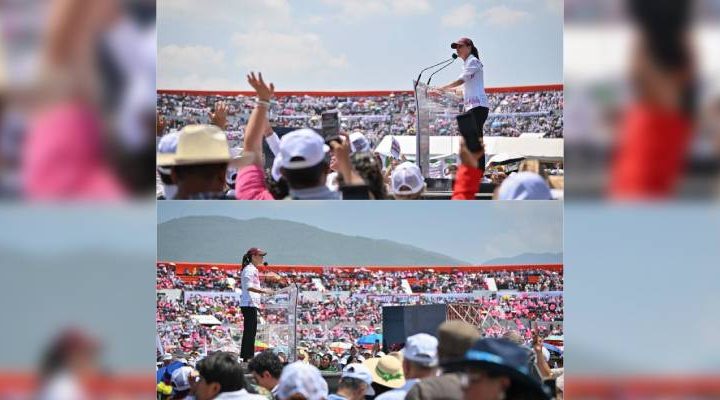
Nosotros somos gobiernos del pueblo: presidenta Claudia Sheinbaum ante cerca de 70 mil chiapanecos
Chiapas recibe con gratitud y los brazos abiertos a la presidenta Claudia Sheinbaum